
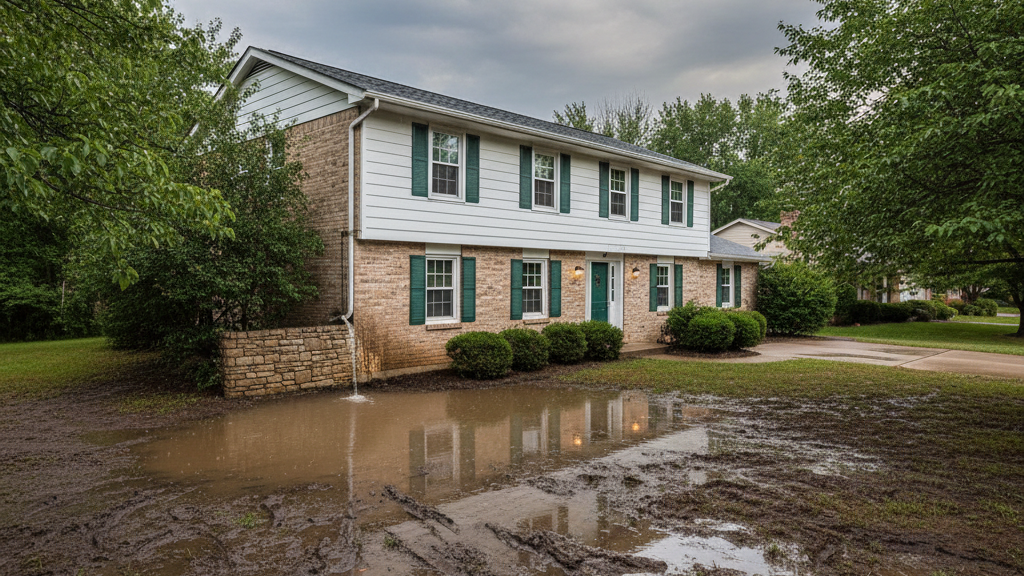
Water is essential for life, but when it collects around your homes foundation, it can lead to serious damage. Many homeowners miss early warning signs that indicate the need for a perimeter drainage system. Ignoring these signs can result in structural issues, high repair costs, and landscape disruption. Below are the most common signs that it may be time to install a drainage system around your homes perimeter.
1. Persistent Water Pooling or Standing Water
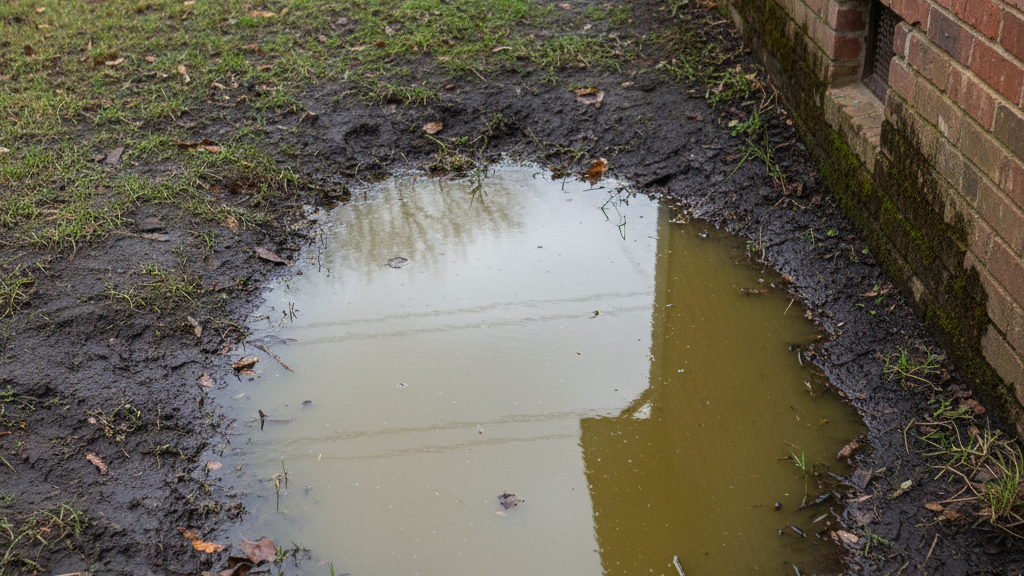
If water tends to collect near your foundation, in low areas of your yard, or along walkways after it rains, you may have a drainage issue. Water should flow away from your home, not sit next to it. Standing water that does not disappear within a day or two is a clear sign your yard grading or drainage system is not working properly.
Pooling water can saturate the soil next to your foundation and create pressure that eventually forces water into your home or causes cracking.
2. Damp or Wet Basement or Crawl Space
Signs of water inside your basement or crawl space include wet walls, musty odors, and visible moisture. These symptoms often mean that water from the exterior is seeping through the foundation. This typically happens because there is no system in place to direct water away from the home.
Ongoing moisture problems in these areas can lead to mold, mildew, wood rot, and long-term structural damage.
3. Cracks in the Foundation or Exterior Walls
Cracks in your foundation or walls that get wider over time can be caused by saturated soil exerting pressure against the foundation. Water that is not drained away puts uneven pressure on the structure, leading to cracks and even shifting.
These cracks can allow more water into the home and further weaken the structure if not addressed quickly.
4. Soil Erosion or Sinking Areas Near the Foundation
If you notice soil washing away or parts of your yard sinking near the base of your home, water may be flowing toward the structure instead of away from it. This kind of erosion is a sign that you need a drainage system to redirect water properly.
Over time, soil erosion can compromise your foundation and ruin your landscaping.
5. Soggy or Spongy Lawn Conditions
If your lawn feels soft, soggy, or leaves footprints after walking on it, the soil is likely oversaturated. This condition makes it hard for grass and plants to grow and may indicate poor drainage. It is especially concerning if the soggy areas are close to the house.
Consistently wet ground around the home is a strong indication that perimeter drainage is needed.
6. Mold, Mildew, or Discoloration on Exterior Walls
Green or black stains on your siding or brick, especially near the base of the home, usually point to excess moisture. This type of staining occurs when water remains in contact with the structure for long periods.
If left untreated, mold and mildew can spread and damage exterior materials, leading to more serious problems.
7. Overflowing Gutters or Downspouts Draining Too Close to the Home
Gutters and downspouts should channel water away from your foundation. If they frequently overflow or drain right next to your home, water can collect around the foundation and seep inside. Even if your gutters are clean, poor placement of downspouts can cause water to pool where it should not.
A proper drainage system can move that water far away from your home to prevent damage.
8. Pests or Insects in the Basement or Crawl Space
Excess moisture around the foundation creates the perfect environment for pests like mosquitoes, termites, and ants. These insects are attracted to wet areas and may find their way into your home through cracks and gaps near the base.
If you are experiencing an uptick in pest activity indoors, poor drainage may be contributing to the problem.
9. Poor Plant or Lawn Health Near the Foundation
If plants near your home look unhealthy while others in your yard seem fine, you could be dealing with a drainage issue. Oversaturated soil near the foundation can drown roots, leading to browning, wilting, or dying plants.
This uneven growth is often a sign that water is not draining properly and needs to be addressed.
10. Ground Slope Directs Water Toward Your Home
The ground around your home should slope away from the foundation to keep water from pooling. If your yard slopes toward the house, water will naturally flow in the wrong direction and collect at the base of your structure.
Regrading the yard and adding a perimeter drainage system can correct this problem and protect your home.
Why a Perimeter Drainage System is Important
Installing a perimeter drainage system helps manage surface and subsurface water around your home. It protects the foundation, prevents moisture problems, reduces the risk of mold, and improves the health of your lawn and landscape. At Homeward Environmental, we design and install drainage solutions tailored to your property, including French drains, regrading, swales, and buried downspouts.
Our French drain systems include cleanouts, turf restrictor plates, and debris boxes to keep the system working efficiently for years.
Next Steps to Protect Your Property
- Walk your property. After a rainfall, look for standing water, wet areas, or any of the signs mentioned above.
- Track recurring issues. Take note of areas that always seem damp or problems that are getting worse over time.
- Get a professional inspection. Homeward Environmental offers free inspections to help you understand your drainage needs.
- Choose a custom solution. Every yard is different. We design systems based on your soil type, slope, and water patterns.
- Plan for long-term success. A well-designed system will require minimal maintenance and protect your home for decades.
Contact Us for a Free Drainage Assessment
Do not ignore the signs of poor drainage. What starts as a small issue can turn into a major problem without warning. If you have noticed any of the symptoms listed above, contact us today for a free inspection. Our team will assess your property and recommend the best drainage solution to protect your home for the long term.