
Preventing basement flooding and crawl space moisture control requires a comprehensive approach combining exterior waterproofing, interior drainage systems, and foundation protection. This guide provides actionable basement waterproofing solutions that homeowners with intermediate DIY skills can implement in 2-4 weeks, depending on the severity of water intrusion prevention needed.
Before You Begin: Prerequisites and Planning
Difficulty Level: Intermediate to Advanced
Estimated Time: 2-4 weeks for complete water management systems
Cost Range: $500-$15,000 depending on solutions implemented
Required Tools and Materials
- Shovel and excavation equipment for French drain installation
- Sump pump with battery backup sump pump option
- Waterproofing membrane or dimple board
- Hydraulic cement and epoxy injection materials
- Vapor barrier (6-mil polyethylene minimum)
- Perforated pipe and gravel for drainage tile
- Dehumidifier for moisture elimination
- Safety equipment: gloves, dust mask, safety glasses
Initial Inspection Requirements
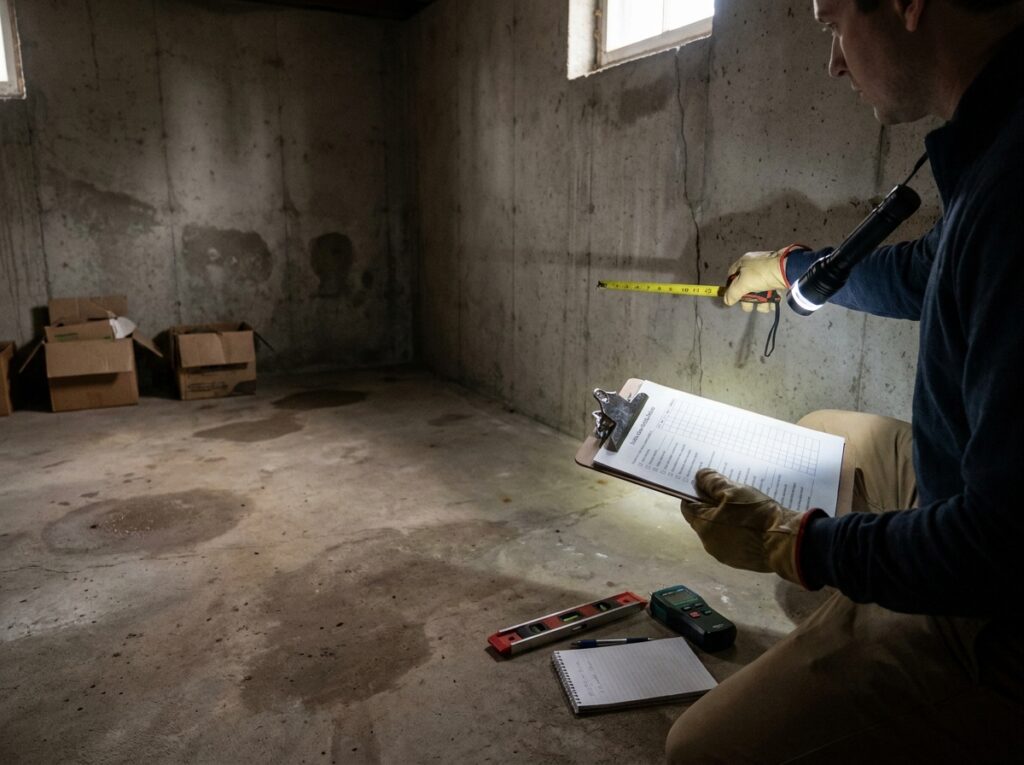
Before implementing basement water problems solutions, conduct a thorough inspection to identify water intrusion sources. Check for efflorescence (white mineral deposits), foundation crack patterns, cove joint seepage, and signs of mold or mildew. Document the water table level and soil composition, particularly noting clay soil conditions that retain moisture.
Step 1: Improve Exterior Grading and Slope
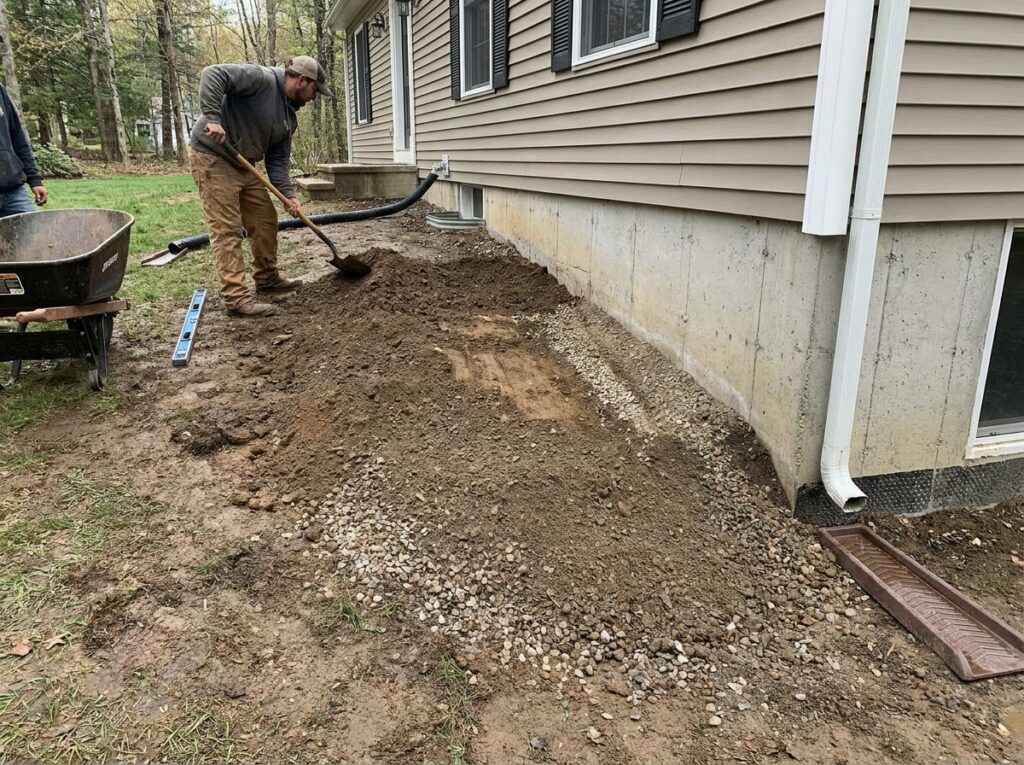
The first line of defense in groundwater mitigation involves redirecting water away from foundation walls. According to the International Residential Code (2021), proper grading requires a minimum 6-inch drop over 10 feet from the foundation.
Grading Implementation:
- Remove existing soil and landscape fabric within 10 feet of the foundation
- Add clean fill dirt to create a 5-6% slope away from basement walls
- Compact soil in 2-inch layers to prevent settling
- Extend downspout discharge lines at least 10 feet from the foundation
This exterior waterproofing method prevents water pooling near basement windows and reduces hydrostatic pressure against foundation walls. The best way to waterproof crawl space walls begins with proper surface water management.
Step 2: Install or Repair Gutter and Downspout Systems
Functional gutter systems are critical for basement flood prevention. A 1,500-square-foot roof sheds approximately 935 gallons of water during a 1-inch rainfall event.
Gutter System Requirements:
- Install 5-inch K-style gutters on all roof edges
- Position downspout outlets every 30-40 feet
- Use splash blocks or underground discharge line extensions
- Install gutter guards to prevent debris accumulation
- Ensure minimum 1/4-inch slope per 10 feet toward downspouts
This step alone can resolve how to stop water from entering basement areas in homes with previously inadequate drainage solutions.
Step 3: Install Exterior Perimeter Drain (French Drain)
An exterior drainage system, commonly called a French drain or footer drain, intercepts groundwater before it reaches the foundation. This subsurface drainage solution ranks among the most effective basement waterproofing methods.
French Drain Installation Process:
- Excavate a trench alongside the foundation to footer level (typically 6-8 feet deep)
- Install landscape fabric to prevent soil infiltration
- Place 2-3 inches of crushed stone in the trench bottom
- Position 4-inch perforated pipe with perforations facing down
- Cover pipe with 6-8 inches of gravel
- Wrap landscape fabric over gravel layer
- Backfill with soil and restore grading
- Connect discharge line to daylight outlet or storm drain
According to the American Society of Home Inspectors (2023), properly installed perimeter waterproofing systems reduce foundation water damage by 85-95%.
Step 4: Apply Exterior Waterproofing Membrane
During French drain installation, apply foundation waterproofing materials to exposed concrete or stone foundation surfaces. This exterior basement waterproofing method creates a physical water barrier system.
Membrane Application Steps:
- Clean foundation walls with wire brush to remove dirt and efflorescence
- Fill foundation cracks with hydraulic cement or polyurethane foam
- Apply asphalt-modified polyurethane or rubber membrane
- Install dimple board drainage mat over membrane
- Extend waterproofing 6 inches above grade level
For homes experiencing basement water intrusion Indianapolis contractors frequently recommend bentonite clay panels as an alternative foundation sealing method.
Step 5: Install Interior Drainage System and Sump Pump
Interior waterproofing complements exterior solutions by managing water that penetrates the foundation. An interior drainage system collects water at the cove joint where basement floor meets walls.
Interior Drainage Installation:
- Remove 12-inch perimeter strip of basement floor along walls
- Excavate 12 inches deep to expose footer
- Install perforated drainage tile sloped toward sump pit location
- Surround pipe with crushed stone
- Create weep holes in block foundation walls if applicable
- Pour new concrete floor to seal system
- Install 1/3 or 1/2 HP sump pump in collection pit
- Add check valve to discharge line to prevent backflow
- Connect battery backup sump pump for power outage protection
This comprehensive water removal systems approach addresses how to fix water coming through basement floor effectively. The National Association of Home Builders (2024) reports sump pump systems reduce basement flooding during heavy rain by 92%.
Step 6: Seal Foundation Cracks and Penetrations
Foundation crack repair prevents water seepage through wall cracks and floor cracks. Cracks wider than 1/8 inch require professional epoxy injection or polyurethane foam treatment.
Crack Sealing Methods:
- Hairline cracks (under 1/8 inch): Apply hydraulic cement
- Active cracks (1/8 to 1/2 inch): Use flexible polyurethane caulk
- Structural cracks (over 1/2 inch): Requires epoxy injection by waterproofing contractor
- Window well leaks: Seal with exterior-grade silicone caulk
This foundation leak repair step prevents water infiltration that contributes to condensation and moisture damage.
Step 7: Install Crawl Space Vapor Barrier and Encapsulation
For properties with crawl spaces, moisture prevention strategies differ from basement approaches. Crawl space encapsulation creates a sealed environment preventing moisture problems.
Crawl Space Moisture Barrier Installation:
- Remove debris and level crawl space floor
- Install 6-mil (minimum) or 20-mil vapor barrier across entire floor
- Extend barrier 6-12 inches up foundation walls
- Seal all seams with waterproof tape
- Secure edges with mechanical fasteners
- Install crawl space dehumidifier (50-70 pint capacity)
- Seal foundation vents in winter months
These crawl space waterproofing techniques prevent the moisture issues that lead to rot, termites, and structural damage. The best way to keep crawl space dry combines vapor control with mechanical dehumidification.
Step 8: Implement Ongoing Moisture Management
Long-term basement humidity control and moisture elimination require active management systems.
Moisture Management Components:
- Install 50-70 pint dehumidifier in basement or crawl space
- Maintain 30-50% relative humidity levels
- Route dehumidifier discharge to sump pit or floor drain
- Monitor humidity with hygrometer
- Inspect drainage systems quarterly
Troubleshooting Common Water Intrusion Problems
If water appears after rainfall: Check gutter function and grading slope. Verify downspouts discharge at least 10 feet from foundation.
If sump pump runs constantly: High water table or insufficient exterior drainage requires perimeter drain installation. Consider how to install perimeter drain system around entire foundation.
If condensation persists: Increase dehumidifier capacity or runtime. Verify vapor barrier integrity in crawl space.
If efflorescence reappears: Water continues penetrating foundation despite interior treatments. Implement exterior foundation drain tile solutions.
If basement floods during heavy rain: Overwhelmed drainage capacity requires larger sump pump (1/2 to 3/4 HP) and secondary backup system.
Next Steps and Maintenance
After implementing these water exclusion techniques, establish a maintenance schedule:
- Clean gutters and downspouts twice annually (spring and fall)
- Test sump pump operation monthly by pouring water into pit
- Replace sump pump check valve every 3-5 years
- Inspect French drain outlets for debris blockages quarterly
- Monitor basement and crawl space humidity weekly during humid months
- Schedule professional waterproofing contractor inspection every 3-5 years
For persistent water damage prevention challenges or structural foundation issues, consult a licensed waterproofing contractor. Professional foundation moisture control assessment identifies problems requiring specialized equipment or expertise beyond typical DIY capabilities.
Conclusion
Implementing comprehensive basement and crawl space protection involves coordinated exterior and interior waterproofing systems. By following these eight steps—from improving grading and installing French drains to applying waterproofing membranes and managing interior moisture—homeowners can effectively prevent water intrusion and protect their foundation investment. These water prevention strategies not only stop flooding and seepage but also prevent mold, mildew, and structural damage, preserving property value and creating healthier below-grade spaces.