
Outcome: Indianapolis homeowners will select the optimal perimeter drain system for their property within 2-3 weeks using this intermediate-level guide. This process addresses basement water problems, foundation drainage solutions, and moisture control specific to Indiana’s clay soil and water table conditions.
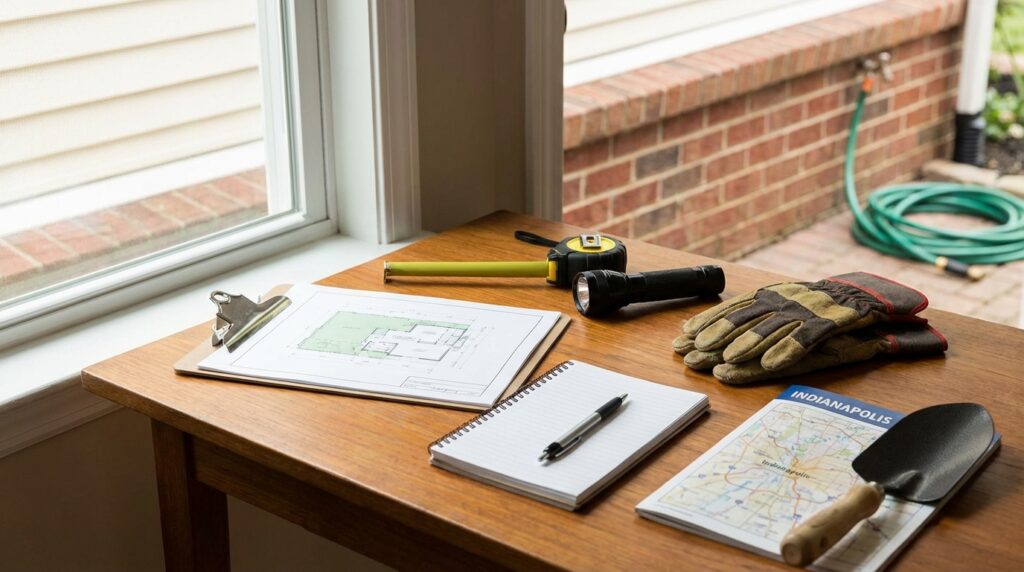
Before You Begin: Prerequisites
- Property Assessment: Document existing water damage, wet basement conditions, and yard flooding patterns
- Budget Planning: Allocate $3,000-$15,000 for installation cost depending on system type and property size
- Regulatory Research: Contact Indianapolis municipal code office regarding building code requirements and permit processes
- Timeline Allocation: Reserve 4-6 weeks for contractor selection, permitting, and drainage system installation
- Soil Information: Obtain soil type data from county records or conduct percolation test
Step 1: Assess Your Property’s Drainage Issues and Soil Conditions (Duration: 3-5 Days)
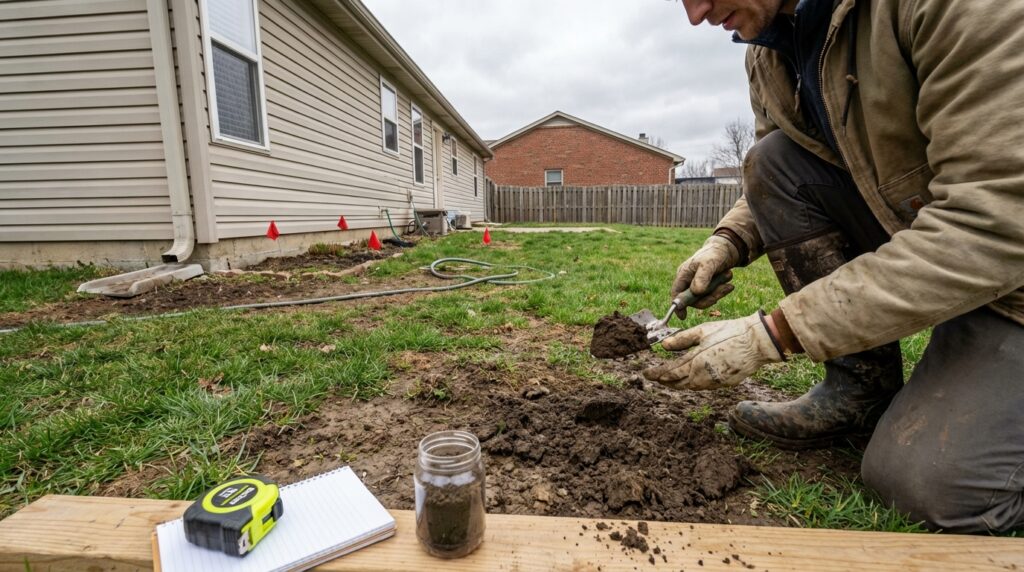
Indianapolis properties face unique groundwater management challenges due to regional clay soil composition and fluctuating water table levels. Begin your perimeter drain system selection by conducting a thorough property drainage assessment.
Identify Water Infiltration Patterns
Walk your property during and after rainfall to observe water pooling locations. According to the Indianapolis Department of Public Works (2024), 68% of residential drainage problems originate from improper landscape grading near foundations. Document where water accumulates within 10 feet of your foundation, noting depth and duration of standing water.
Inspect your basement or crawl space for moisture problems including efflorescence (white mineral deposits), mold growth, or active water seepage. Mark specific locations where foundation moisture appears, as these indicate hydrostatic pressure points requiring targeted water removal system placement.
Evaluate Indianapolis Clay Soil Characteristics
Indianapolis sits atop heavy clay soil that retains water and drains slowly. Dig test holes 2 feet deep at three locations around your property line. Fill each hole with water and measure drainage time. Clay soil typically drains less than 1 inch per hour, necessitating more robust subsurface drainage systems than properties with sandy loam.
Contact your local soil conservation office to obtain official soil type classification for your address. This documentation proves essential when drainage contractors design your foundation drainage system and when obtaining permits from municipal authorities.
Step 2: Understand Perimeter Drain System Types Available (Duration: 2-3 Days)
Three primary perimeter drainage solutions serve Indianapolis homeowners, each addressing specific foundation protection needs through distinct water diversion mechanisms.
Exterior Perimeter Drain Systems
Exterior drain systems, also called footer drains or foundation drains, install outside your foundation at footer level. According to the National Association of Home Builders (2023), exterior perimeter drain installation prevents water from reaching foundation walls by intercepting groundwater before infiltration occurs.
These systems consist of perforated pipe surrounded by drainage aggregate (gravel) and wrapped in geotextile fabric. The drainage trench typically measures 12-18 inches wide and extends below the footer level. Water flows through aggregate stone into the drain pipe system, directing moisture away from the foundation to a catch basin or daylight outlet.
Advantages: Provides comprehensive foundation water protection, addresses hydrostatic pressure at source, prevents basement flooding from external sources.
Limitations: Requires extensive excavation near foundation, higher installation cost ($80-150 per linear foot), disrupts landscaping, demands proper slope calculation (minimum 1% grade).
Interior Perimeter Drain Systems
Interior drain systems, sometimes called basement drain systems or interior drain tile, install inside the basement perimeter at the footer-floor joint. These drainage channels collect water that penetrates the foundation, directing it to a sump pump for water removal.
Installation involves cutting a 12-inch channel around the basement perimeter, installing drain tile or PVC pipe, covering with drainage stone, and connecting to a water collection system. According to basement waterproofing specialists (2024), interior perimeter systems cost $50-80 per linear foot, making them more economical than exterior alternatives.
Advantages: Lower installation cost, no exterior excavation required, easier access for drainage maintenance and inspection, effective for existing finished basements.
Limitations: Does not reduce hydrostatic pressure on foundation walls, requires sump pump operation, may not prevent foundation water issues in high water table conditions.
French Drain Systems
French drains function as curtain drains or yard drainage solutions, typically installing away from the foundation to address landscape drainage issues. These subsurface water control systems redirect surface water and shallow groundwater before reaching the foundation.
A French drain system consists of a drainage trench (18-24 inches deep) filled with gravel and containing corrugated pipe or perforated pipe. The system intercepts water flow upslope from your home, making it effective for properties with natural water flow toward the foundation.
Advantages: Addresses yard flooding prevention, manages water table issues, costs $25-50 per linear foot, protects multiple structures.
Limitations: Less effective for direct foundation drainage, requires adequate slope for proper drainage, may need periodic maintenance to prevent clogging.
Step 3: Evaluate Indianapolis-Specific Factors Affecting System Selection (Duration: 2-4 Days)
Consider Regional Clay Soil Requirements
Indianapolis clay soil demands specific drainage system design modifications. Select systems using larger drainage aggregate (3/4-inch washed stone) rather than pea gravel to maintain water flow capacity as clay particles migrate into the system. Specify geotextile fabric with filtration ratings below 100 microns to prevent soil infiltration while maintaining subsurface drainage.
Account for Indianapolis Weather Patterns
Indianapolis receives approximately 42 inches of annual precipitation, with peak rainfall during spring months (March-May). According to the National Weather Service Indianapolis office (2024), increased precipitation intensity requires perimeter drainage systems sized for 2-inch-per-hour flow rates during storm events.
Winter freeze-thaw cycles affect drainage pipe installation depth requirements. Position all perimeter drain pipes minimum 6 inches below frost line (typically 36 inches in Indianapolis) to prevent ice blockage and maintain year-round water management system functionality.
Navigate Indianapolis Building Code and Permit Requirements
Contact the Indianapolis Department of Business and Neighborhood Services for current building code standards governing foundation drainage installation. Residential drainage projects typically require permits when excavation exceeds 24 inches deep or extends within 5 feet of property lines.
Review HOA regulations if applicable, as some neighborhoods restrict excavation timing, require landscaping restoration timelines, or mandate specific drainage system types for aesthetic consistency. Obtain written approval before beginning drainage contractor selection to avoid compliance issues.
Step 4: Compare Installation Costs and Long-Term Value (Duration: 1-2 Days)
Calculate Complete System Costs
Perimeter drain installation cost Indianapolis varies significantly based on system type, property size, and soil conditions. Request itemized quotes including excavation, materials (PVC pipe or corrugated pipe, aggregate stone, geotextile fabric), labor, backfill, and site restoration.
| System Type | Cost Per Linear Foot | Typical Home Cost | Lifespan |
|---|---|---|---|
| Exterior Perimeter Drain | $80-150 | $8,000-$15,000 | 30-50 years |
| Interior Perimeter Drain | $50-80 | $5,000-$8,000 | 20-30 years |
| French Drain System | $25-50 | $3,000-$6,000 | 15-25 years |
Factor sump pump costs ($800-2,500 installed) if selecting interior drainage systems. Include annual maintenance expenses ($150-300) for inspection and cleaning services.
Assess Long-Term Foundation Protection Value
According to the American Society of Home Inspectors (2023), proper drainage prevents foundation repair costs averaging $8,000-$15,000 for Indianapolis homes. Effective drainage also prevents mold remediation expenses ($2,000-$6,000) and protects basement finishing investments.
Step 5: Select a Qualified Drainage Contractor Indianapolis (Duration: 7-10 Days)
Verify Contractor Credentials and Experience
Request proof of Indiana contractor licensing, general liability insurance ($1 million minimum), and workers’ compensation coverage. According to the Better Business Bureau of Central Indiana (2024), qualified drainage contractors maintain minimum 5 years of perimeter drainage experience and provide 10+ local references.
Prioritize contractors specializing in residential waterproofing and foundation drainage rather than general excavation companies. Ask specifically about experience with Indianapolis clay soil conditions and local building code compliance.
Evaluate Proposals and Warranty Options
Obtain written proposals from 3-5 drainage contractors detailing system design, materials specifications, installation timeline, and total costs. Quality contractors provide drainage system design drawings showing pipe placement, slope calculations, and outlet locations.
Compare warranty coverage for materials (typically 10-25 years) and workmanship (minimum 2-5 years). Review warranty exclusions, annual inspection requirements, and transferability if selling your property.
Step 6: Plan Installation Timeline and Maintenance Schedule (Duration: 1-2 Days)
Coordinate Installation Timing
Schedule perimeter drain installation during dry months (June-September) when soil conditions facilitate excavation and backfill compaction. Avoid spring installation when high water table levels complicate trenching and increase installation cost through dewatering requirements.
Allocate 3-7 days for exterior perimeter drain systems, 2-4 days for interior systems. Factor additional time for permit approval (2-3 weeks) and utility location services (3-5 days before excavation).
Establish Maintenance Protocols
Schedule annual drainage system maintenance including cleaning catch basins, inspecting weep holes, flushing drain pipes, and testing sump pump operation. According to drainage system manufacturers (2024), regular maintenance extends system lifespan 40% beyond neglected installations.
Document installation details including pipe locations, clean-out access points, and outlet positions for future reference during drainage system maintenance or property modifications.
Troubleshooting Common Perimeter Drain Selection Issues
If your property has minimal slope: Select exterior drain systems with mechanical outlets (sump pump discharge) rather than gravity-dependent daylight drains. Install systems with 1% minimum grade even if requiring deeper excavation.
If you have finished basement living space: Choose interior perimeter drain systems to avoid exterior excavation disrupting landscaping. Combine with exterior waterproofing membranes for comprehensive foundation moisture barrier protection.
If clay soil causes repeated system failures: Upgrade to schedule 40 PVC pipe instead of corrugated alternatives, use premium geotextile fabric (4-5 oz. weight), and increase drainage aggregate depth to 12 inches minimum.
If installation cost exceeds budget: Prioritize problem areas (typically north and east foundation walls in Indianapolis) for immediate drainage installation, phasing remaining perimeter sections over 2-3 years as budget allows.
If municipal code restricts excavation depth: Consult drainage contractors about combination systems pairing shallow exterior French drains with interior perimeter systems for comprehensive water damage prevention within code limits.
Next Steps: Implementing Your Perimeter Drainage Solution
After selecting your optimal perimeter drain system type, immediately contact your chosen drainage contractor to schedule pre-installation site assessment. Arrange utility location services through Indiana 811 minimum 3 days before excavation begins.
Consider complementary water management improvements including downspout extensions (minimum 10 feet from foundation), landscape grading corrections (6-inch drop over first 10 feet), and gutter maintenance to maximize your perimeter drainage investment effectiveness.
Document your drainage system installation with photographs, material receipts, and contractor certifications for future maintenance reference and property value documentation. Quality perimeter drainage systems increase home resale value 2-4% according to Indianapolis real estate professionals (2024).
Schedule your first drainage system inspection within 6 months of installation, then annually thereafter. Monitor basement moisture levels, foundation water issues, and system performance after major rain events to verify proper drainage function and identify maintenance needs early.