
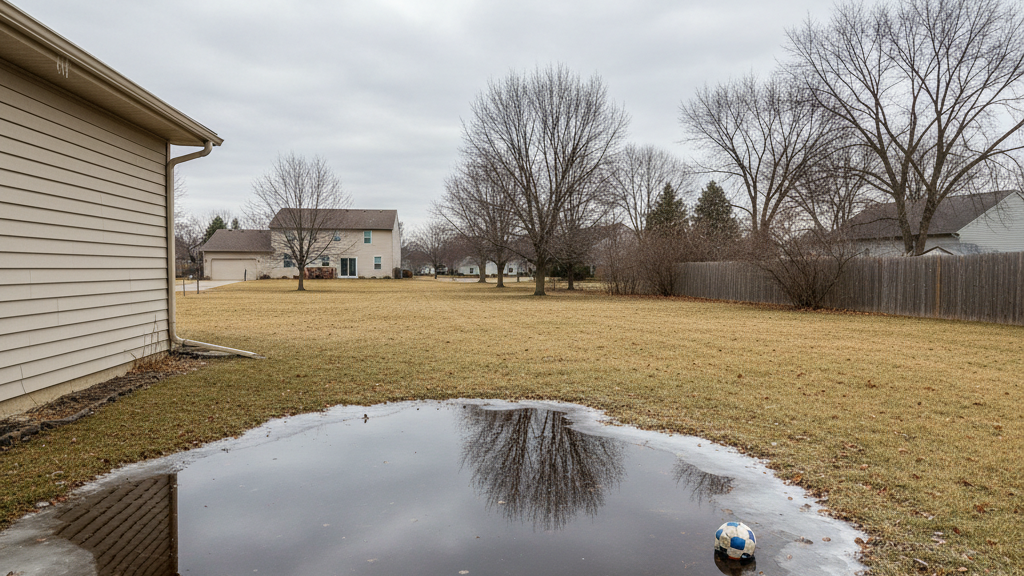
Winter in Indiana often brings freezing temperatures, snowfall, and saturated ground conditions. For many homeowners, this means more than just shoveling snow — it can also bring frustrating drainage issues. One of the most common problems? Standing water in your yard, driveway, or around your foundation. If left unaddressed, winter drainage issues can lead to costly damage and even compromise the health of your property.
At Homeward Environmental, we specialize in helping Indiana residents stay ahead of environmental and drainage challenges year-round. Below, we’ll break down the causes of standing water during the winter and share practical steps you can take to protect your home this December and beyond.
Why Standing Water Is a Problem in Winter
Standing water during the winter months isn’t just a seasonal annoyance. It’s a red flag that your property may have deeper drainage issues. Here’s why it’s especially problematic in December:
- Freezing Hazards: Pools of water can freeze overnight, creating slippery surfaces that pose risks to both pedestrians and vehicles.
- Foundation Damage: When water collects near your home’s foundation and freezes, it expands. This can cause cracks and long-term structural issues.
- Saturated Soil: Indiana’s soil composition often retains moisture. In colder months, this can prevent natural drainage and cause prolonged standing water.
- Increased Mold and Mildew: Persistent moisture near or inside your home can foster mold and mildew, leading to potential health risks.
Common Causes of Winter Drainage Problems in Indiana
Understanding what’s causing the standing water is the first step toward a permanent solution. In Indiana, the following factors are often responsible for poor winter drainage:
- Frozen Ground: Once the ground freezes, it becomes less absorbent. Melted snow and rain have nowhere to go, leading to surface pooling.
- Poor Grading: If your yard slopes toward your house instead of away from it, water will naturally accumulate around your foundation.
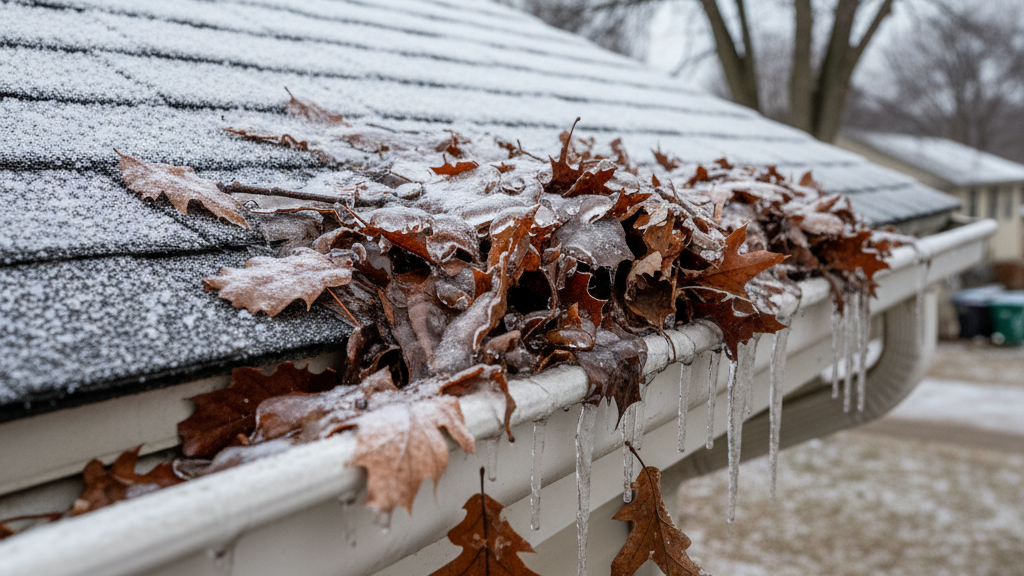
- Clogged or Broken Drainage Systems: Gutters, downspouts, and yard drains can become clogged with leaves, ice, or debris, reducing their effectiveness.
- Compacted Soil: Heavy foot traffic, snow piles, or construction can compress soil, making it harder for water to drain properly.
How to Prevent Standing Water This December
Preventing drainage issues in winter starts with a proactive approach. Here are proven strategies to keep your property dry and protected:
1. Inspect and Clean Your Gutters
Gutters play a key role in directing water away from your home. Before winter weather hits hard, clean out any debris and ensure your downspouts are clear. It’s also a good idea to check for leaks or damage that could compromise drainage.
2. Extend Downspouts Away from the Foundation
Make sure your downspouts direct water at least 5-10 feet away from your home. This simple fix can drastically reduce the risk of water pooling near your foundation.
3. Assess Your Yard’s Grading
Take a look at how your yard slopes. If you notice water flowing toward your house rather than away from it, it may be time to regrade your yard or install a swale or berm to divert water safely.
4. Improve Soil Drainage
If your soil tends to retain water, consider aerating your lawn to reduce compaction and improve absorption. Adding organic matter can also enhance drainage over time.
5. Install a French Drain or Dry Well
For properties with chronic drainage problems, more advanced solutions like a French drain or dry well may be necessary. These systems collect and redirect water underground, preventing surface pooling even during freeze-thaw cycles.
6. Monitor Snow and Ice Buildup
When clearing snow from your property, avoid piling it near the foundation or low-lying areas. As it melts, it can overwhelm your drainage system if not properly directed.
When to Call a Professional
While DIY efforts can go a long way, some drainage problems require the help of an experienced team. If you notice any of the following, it’s time to take action:
- Persistent water pooling in the same area, even after melting
- Water seeping into your basement or crawl space
- Visible soil erosion or sinking spots in your yard
- Cracks in your foundation
At Homeward Environmental, we understand the unique challenges Indiana homeowners face during winter. Our team offers expert drainage assessments and tailored solutions that protect your property year-round. Whether you need grading adjustments, drainage system installation, or environmental cleanup, we’re here to help.
Protect Your Home from Winter Drainage Damage
Don’t let standing water threaten your home this December. With proactive measures and expert support, you can avoid costly repairs and enjoy a safer, drier winter season. If you’re dealing with winter drainage problems or want a professional evaluation of your yard’s water management system, contact us today.
Let Homeward Environmental help you safeguard your property this winter — because peace of mind starts with a dry foundation.