
Crawl space encapsulation cost in Indianapolis ranges from $1,500 for basic vapor barrier installation to $15,000+ for full encapsulation with insulation, dehumidifier, and drainage systems. Most Indianapolis homeowners pay $5,000 to $8,500 for a complete job. The project takes 1 to 3 days and requires professional installation—this is not a DIY-friendly task due to mold exposure risks and structural considerations. This guide walks you through every cost factor so you can budget accurately and avoid overpaying.
Before You Begin: Prerequisites Checklist
- Crawl space inspection: Schedule a professional crawl space inspection to identify moisture, mold, or pest issues before requesting quotes.
- Square footage measurement: Measure your crawl space (length × width) to calculate cost per square foot crawl space encapsulation accurately. Most Indianapolis homes range between 800 and 1,800 square feet of crawl space.
- Budget range: Set aside $3 to $8 per square foot as a baseline for materials and labor, then add 10-15% contingency for unexpected repairs like joist damage or ductwork rerouting.
- Contractor list: Identify at least three crawl space encapsulation companies near you for comparison estimates.
- Home documentation: Gather foundation records, HVAC system details, and any prior foundation repair company reports.
- Financing research: Check whether contractors offer 0% APR financing plans, since full encapsulation jobs often exceed $7,000.
Step 1: Get a Professional Crawl Space Inspection
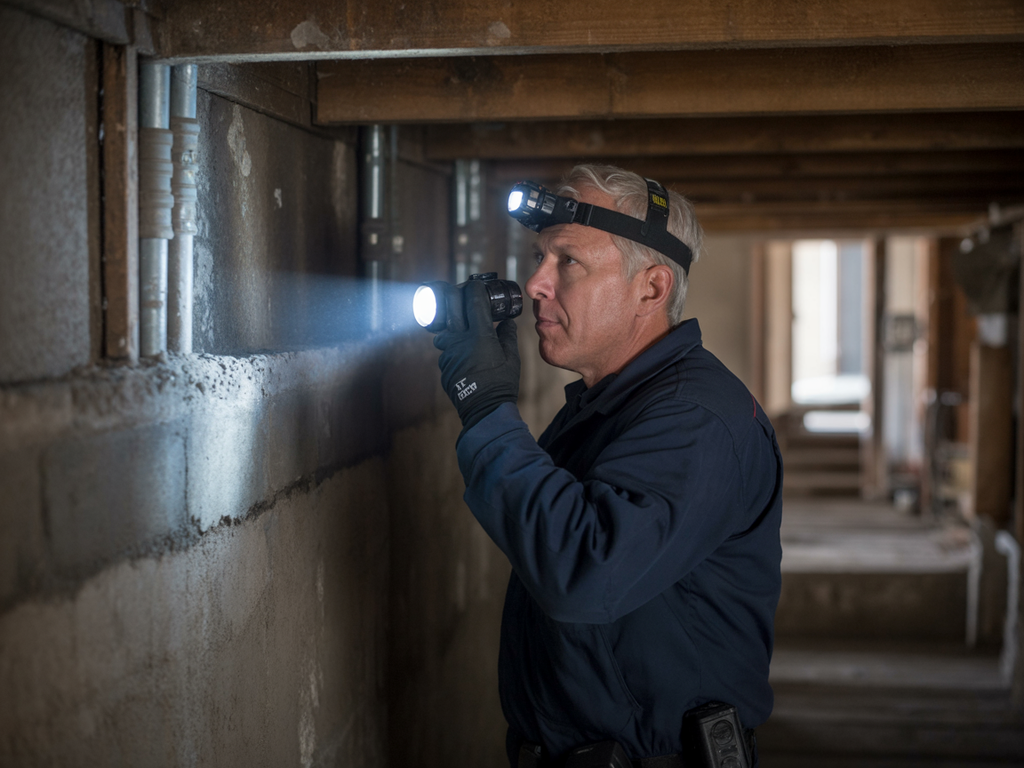
Hire a licensed crawl space contractor to assess moisture levels, structural moisture damage, and air quality before estimating costs. An inspection typically takes 45 to 90 minutes and costs $100 to $300, though many Indianapolis companies waive this fee if you proceed with their encapsulation service.
Why This Step Matters
Indianapolis, Indiana experiences high humidity and clay-heavy soil, making crawl space moisture problems common in homes built before 1990. According to the Indiana State Department of Health (2023), excess crawl space moisture contributes to mold growth in roughly 1 in 4 regional homes. Homes near the White River or Fall Creek watershed face elevated risk due to higher water tables.
Sub-Steps
- Check for standing water or damp insulation, particularly along the perimeter foundation walls.
- Test for mold using a professional mold remediation assessment, which typically includes an air quality sample and surface swab.
- Inspect for pest entry points—crawl space pest control may add $200 to $500, especially for termite or rodent damage common in older Indianapolis neighborhoods like Irvington or Broad Ripple.
- Request a radon mitigation test if your ZIP code falls in Indiana’s moderate-to-high radon zones (EPA Zone 1 designation covers most of Marion County).
- Document existing insulation condition—sagging or water-stained batts usually require full removal before encapsulation begins.
Step 2: Calculate Your Crawl Space Encapsulation Cost Estimate
Use your square footage to generate a crawl space encapsulation cost calculator estimate before meeting contractors. Online calculators from Angi or HomeAdvisor can provide a ballpark figure, but local labor rates in Indianapolis typically run 5-10% below national averages.
Average Cost of Crawl Space Encapsulation in Indianapolis by Size
| Crawl Space Size | Basic Vapor Barrier Only | Full Encapsulation Package |
|---|---|---|
| 500 sq ft | $1,500–$2,500 | $4,000–$6,000 |
| 1,000 sq ft | $2,500–$4,000 | $6,500–$10,000 |
| 1,500 sq ft | $3,500–$5,500 | $9,000–$13,500 |
| 2,000+ sq ft | $5,000–$7,500 | $12,000–$15,000+ |
This cost per square foot crawl space encapsulation pricing typically runs $3 to $8 for basic jobs and $7 to $12 for full-service packages including insulation and drainage. For example, a 1,200 sq ft crawl space with moderate moisture damage and a dehumidifier upgrade commonly lands around $7,500 in the Indianapolis metro area. Homes with limited access points (under 18 inches of clearance) may see labor costs increase by 10-20% due to the additional time required.
Step 3: Compare Crawl Space Encapsulation vs Waterproofing Cost Indianapolis
Encapsulation seals the entire crawl space with a polyethylene liner; waterproofing focuses on water diversion using a French drain or sump pump.
Key Differences
- Encapsulation addresses crawl space humidity control cost through sealing and insulation—average $5,000 to $8,500. It creates a conditioned, sealed environment that blocks outside air and moisture entirely.
- Waterproofing alone (French drain, sump pump) averages $2,000 to $6,000, similar to basement waterproofing cost ranges. It manages active water intrusion but does not control ambient humidity or air quality.
- Unlike waterproofing, encapsulation also improves home energy efficiency by reducing HVAC system strain—homeowners report 5-15% lower heating and cooling bills after full encapsulation, per Department of Energy (2023) estimates.
- Many Indianapolis contractors recommend combining both systems: waterproofing handles bulk water while encapsulation manages vapor, producing the most durable long-term result.
Step 4: Select Materials for Crawl Space Encapsulation
Choose materials based on moisture severity and budget. Crawl space encapsulation materials cost varies significantly by component, and higher-mil liners generally carry longer warranties.
Material Cost Breakdown
- Vapor barrier / moisture barrier (6-20 mil polyethylene liner): $0.50–$2.50 per sq ft. Thicker 20-mil liners resist punctures better and typically carry 20-year warranties versus 10 years for 6-mil options.
- Crawl space dehumidifier cost: $1,200–$2,800 installed. Units rated for 70+ pints per day are standard for Indianapolis homes with moderate humidity.
- Sump pump installation: $1,000–$2,500, including battery backup options recommended for homes prone to power outages during storms.
- Spray foam insulation: $1.50–$3.50 per sq ft, applied to rim joists and foundation walls for added thermal performance.
- Crawl space drainage system cost (French drain): $1,500–$4,000, depending on perimeter length and soil conditions.
- Encapsulated access door: $150–$400, often overlooked but necessary to maintain the sealed environment.
For homes needing mold remediation, add $500 to $4,000 to your mold removal cost crawl space budget, depending on contamination severity. Homeowners should also ask contractors whether their vapor barrier includes an antimicrobial additive, which can add $0.10-$0.30 per sq ft but reduces future mold recurrence risk.
Step 5: Request Estimates from Crawl Space Encapsulation Companies
Collect at least three crawl space contractor estimates before signing a contract. Price variance between bids for the same scope of work often ranges 20-40% in the Indianapolis market, so itemized quotes matter.
Where to Find Quotes
- Angi and HomeAdvisor list verified local contractors with customer reviews and typically provide free quote-matching within 24-48 hours.
- Basement Systems operates nationally with Indianapolis-area franchises specializing in crawl space waterproofing and offers transferable warranties.
- Indy Crawl Space offers localized service focused specifically on Indianapolis crawl space moisture problems.
- Search “crawl space encapsulation companies near me” for additional affordable crawl space encapsulation services Indianapolis homeowners trust.
- Check Better Business Bureau (BBB) ratings and confirm each contractor carries at least $1 million in liability insurance before signing.
When comparing bids, review detailed breakdowns similar to a crawl space encapsulation cost Indianapolis estimate to ensure materials, labor, and warranty terms are itemized clearly. Ask each contractor to specify liner thickness, dehumidifier capacity, and whether the quote includes permit fees.
Step 6: Schedule Installation
How long does crawl space encapsulation take in Indianapolis? Most projects complete in 1 to 3 days, depending on square footage and mold remediation needs. Larger homes over 2,000 square feet or those requiring extensive mold removal may take up to 5 days.
Installation Day Checklist
- Confirm crew arrival time and access points, and clear any stored items near the crawl space entrance.
- Verify vapor barrier seams overlap by at least 12 inches and are sealed with foil tape rated for below-grade use.
- Ensure sump pump and dehumidifier are tested on-site before crew departure, including a manual water-fill test for the pump.
- Confirm insulation (if included) is installed with the vapor-retarder facing the correct direction per manufacturer specifications.
- Request photos of completed work for your records, including before-and-after shots of problem areas identified during inspection.
Step 7: Verify Work and Maintain Your System
Inspect the crawl space annually to catch structural moisture damage early and extend the lifespan of your encapsulation system. A properly maintained system typically lasts 15-20 years before the liner needs replacement.
Maintenance Tasks
- Check dehumidifier humidity settings (maintain 50% or lower per EPA guidance) and clean or replace filters every 3-6 months.
- Inspect sump pump function before spring rains, since Indianapolis typically sees peak precipitation in April and May.
- Re-seal any vapor barrier punctures within 30 days of discovery to prevent moisture re-entry.
- Schedule a crawl space inspection every 12 months, ideally before winter to confirm insulation integrity.
- Keep a maintenance log noting dehumidifier runtime and any water intrusion events for warranty purposes.
Troubleshooting Common Issues
- If mold is discovered during inspection → budget an additional $500–$4,000 for mold remediation before encapsulation begins, and confirm the remediation company provides a clearance test afterward.
- If your quote seems unusually low → verify the contractor includes a dehumidifier and sump pump, not just a vapor barrier—low bids often omit these components.
- If radon levels test above 4 pCi/L → add a radon mitigation system, typically $800–$1,500 in Indianapolis, and retest 30 days after installation to confirm reduced levels.
- If standing water persists after installation → the French drain or sump pump may be undersized; request a contractor callback and ask about upgrading pump horsepower.
- If your HVAC system shows increased humidity → check that the vapor barrier seams are fully sealed and taped, and confirm the dehumidifier drain line isn’t clogged.
- If your budget runs over estimate → ask contractors about phased installation, starting with vapor barrier and sump pump, then adding dehumidifier and insulation in a second phase.
Next Steps
After encapsulation, schedule a follow-up inspection within 6 months to confirm humidity control is working. Consider pairing encapsulation with attic insulation upgrades through a qualified insulation contractor for additional home energy efficiency gains. Homeowners noticing signs you need crawl space encapsulation in Indianapolis homes—musty odors, warped flooring, or rising energy bills—should request quotes now, as material costs typically rise 3-5% annually according to National Association of Home Builders (2024) data. Locking in a quote before spring, when contractor demand peaks, can also help homeowners avoid seasonal price increases of 5-10%.